Krishna Book Deep Dive
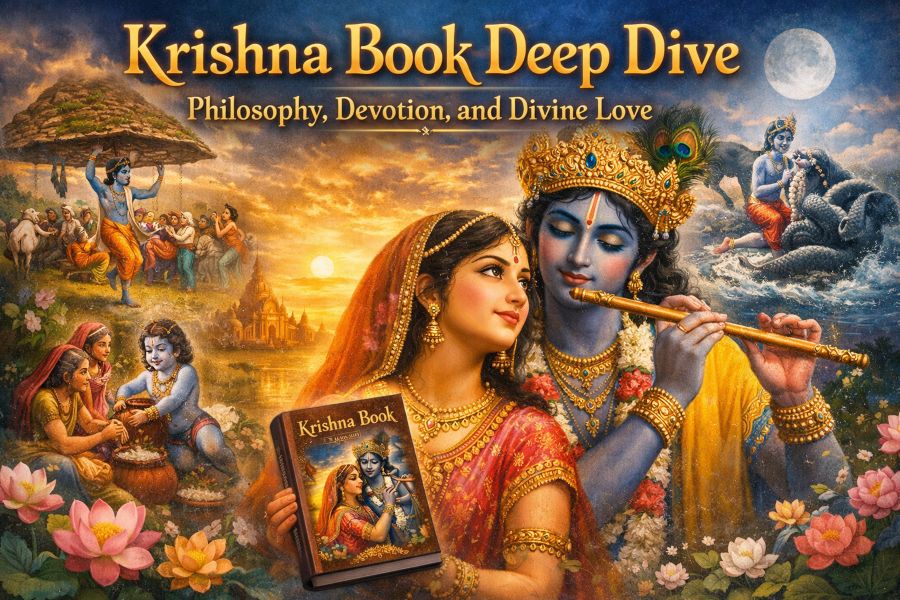
Krishna Book Deep Dive: Philosophy, Devotion, and Divine Love
For anyone seeking a spiritually nourishing read rooted in bhakti tradition, Krishna Book at Mayapur Store is more than a devotional publication—it is a gateway into the heart of Lord Krishna’s divine personality, teachings, and loving exchanges. This sacred work presents Krishna not merely as a heroic figure or cultural deity, but as the Supreme Person whose life reveals eternal philosophy, pure devotion, and the highest form of divine love. For serious readers, seekers, and devotees alike, Krishna Book offers a rare blend of narrative beauty and spiritual depth.
Whether one approaches it for philosophical understanding, emotional transformation, or devotional inspiration, the text opens layer after layer of meaning. It explains how Krishna’s childhood pastimes, youthful sweetness, compassionate dealings, and intimate relationships all express profound theological truths. It is not just a book to read once and put aside. It is a text to revisit, reflect upon, and absorb slowly. In every chapter, readers encounter a vision of life where love for God is the center, spiritual identity is awakened, and divine reality becomes personal.
What Makes Krishna Book Spiritually Special?
Krishna Book stands apart because it presents transcendental subject matter in a form that is emotionally compelling and intellectually meaningful. Based on sacred Vaishnava tradition, it retells the divine pastimes of Krishna in a way that allows both new readers and experienced practitioners to connect deeply with the subject.
It is not just a storybook
This is one of the most important things a reader should understand. Krishna Book may appear to be a narrative collection, but its purpose is far deeper.
Why it is spiritually significant:
- It introduces Krishna as the Supreme Personality of Godhead.
- It reveals divine truth through action, emotion, and relationship.
- It makes complex spiritual philosophy easier to understand.
- It helps readers move from curiosity to devotion.
- It turns sacred history into a living inner experience.
The book does not treat Krishna’s life as mythology in the ordinary sense. Instead, it presents His earthly appearance as a divine descent full of purpose. His childhood mischief, demon-slaying acts, affection for devotees, and loving exchanges are all spiritually meaningful. A sincere reader gradually discovers that every pastime carries a theological message.
It balances sweetness and philosophy
Many spiritual books are either very poetic or very philosophical. Krishna Book beautifully unites both.
Readers receive:
- Divine narratives that touch the heart
- Deep insights into the nature of the soul
- Teachings about bhakti as the highest path
- A personal understanding of God
- Emotional connection along with spiritual clarity
This balance is why the book appeals to such a wide audience. It does not overwhelm the reader with dry explanation, nor does it reduce spiritual truth to sentiment alone.
The Philosophical Depth of Krishna Book
A major strength of Krishna Book is its rich philosophical foundation. Beneath the beauty of every pastime lies a powerful spiritual framework.
Krishna is the ultimate source of everything
The text repeatedly reveals Krishna as the origin of all causes. He is not simply a saint, prophet, or enlightened being. He is the source of all incarnations, all energies, and all existence.
This philosophical vision teaches:
- God is ultimately personal, not impersonal only
- The Absolute Truth has form, qualities, and relationships
- Divine reality includes beauty, affection, and intimacy
- Krishna is both supreme and approachable
- Knowing God fully requires devotion, not logic alone
This is one of the most attractive aspects of the book. It introduces a conception of God that is complete—great enough to inspire awe, yet intimate enough to invite love.
The soul’s natural identity is loving service
Another essential teaching is that every living being is eternally connected with Krishna. The soul is not meant to remain trapped in temporary identity, material anxiety, or ego-centered ambition.
Krishna Book helps readers understand:
- We are not merely the body or mind
- Real fulfillment comes from spiritual connection
- Love of God is natural to the soul
- Material enjoyment cannot fully satisfy the heart
- Bhakti restores the soul’s forgotten relationship with Krishna
This philosophy becomes especially powerful because it is not presented as a dry lecture. It is shown through the lives of Krishna’s devotees. Their joy, surrender, longing, and dedication demonstrate what spiritual life looks like when it becomes real.
Divine play is not ordinary activity
One common misunderstanding is to judge Krishna’s pastimes by ordinary moral or material standards. Krishna Book helps lift the reader above that shallow level of interpretation.
Krishna’s pastimes are understood as:
- Eternal, not temporary
- Pure, not material
- Instructive, not accidental
- Compassionate, not selfish
- Spiritually liberating for those who hear about them
This perspective is essential for a meaningful reading. Without it, the text can be misunderstood. With it, the reader begins to see how divine play expresses absolute freedom, perfect love, and transcendental beauty.
Devotion at the Center of Krishna Book
If philosophy forms the foundation of the book, devotion is its heartbeat. Everything in Krishna Book ultimately points toward bhakti.
Bhakti is presented as the highest path
The book shows that devotion is not a secondary or sentimental practice. It is the highest function of the soul and the most direct way to know Krishna.
Through the book, readers see that bhakti involves:
- Hearing about Krishna with sincerity
- Remembering His names, qualities, and pastimes
- Developing affection through regular reflection
- Serving with humility and love
- Placing Krishna at the center of life
This makes Krishna Book especially powerful for spiritual practice. A reader is not simply informed; the reader is invited into a relationship.
Devotees reveal the beauty of surrender
One of the most moving dimensions of the text is the way different devotees relate to Krishna. Their love is expressed in many forms—parental affection, friendship, reverence, and intimate devotion.
These relationships teach important lessons:
- Love for God is personal and dynamic
- Devotion can take many spiritually valid forms
- Surrender is joyful, not depressing
- Krishna responds according to the mood of His devotee
- Divine love is reciprocal
This is one of the reasons the book stays with readers long after they finish a chapter. The emotional life of devotion is vividly portrayed. It makes bhakti feel alive, not theoretical.
Divine Love in the Krishna Book
The deepest and most exalted theme in the book is divine love. This is where the text reaches its spiritual and emotional peak.
Divine love is beyond selfish desire
In ordinary life, love is often mixed with fear, insecurity, expectation, or possession. Krishna Book presents a completely pure conception of love centered on Krishna.
Divine love in the book is marked by:
- Selflessness
- Total absorption in Krishna
- Joy in giving rather than taking
- Freedom from ego
- Complete spiritual sincerity
This form of love is especially visible in the residents of Vrindavan, whose every thought revolves around Krishna. Their love is not based on duty alone. It flows naturally, irresistibly, and completely.
Vrindavan represents the highest spiritual mood
Vrindavan in Krishna Book is not merely a location. It is the spiritual atmosphere in which love for Krishna reaches its fullest expression.
The mood of Vrindavan includes:
- Simplicity without spiritual emptiness
- Beauty without material pride
- Intimacy without loss of reverence
- Spontaneous devotion
- Constant remembrance of Krishna
For readers, this is one of the most enchanting aspects of the text. Vrindavan is presented as the land where every tree, river, animal, friend, parent, and devotee exists in relationship with Krishna. It becomes the perfect setting for divine love to unfold.
The gopis embody the intensity of pure devotion
The gopis are among the most discussed and misunderstood figures in Krishna literature. Krishna Book presents them not as symbols of worldly romance, but as embodiments of the highest selfless love for God.
Their devotion demonstrates:
- Complete detachment from selfish interest
- Unbroken remembrance of Krishna
- Love beyond social calculation
- Willingness to sacrifice everything for divine union
- The highest reach of bhakti-rasa
A mature reading of these sections requires spiritual sensitivity. Their love is not material passion; it is the soul’s total offering to the Divine Beloved.
Why Krishna Book Still Matters Today
Although rooted in ancient sacred tradition, Krishna Book remains deeply relevant in the modern world. In an age of distraction, emotional restlessness, and spiritual confusion, its message feels even more necessary.
It answers modern spiritual hunger
Many people today are searching for something more than productivity, entertainment, or outer success. They want meaning, connection, peace, and truth.
Krishna Book speaks to these needs by offering:
- A clear spiritual center
- A personal understanding of God
- A path of loving devotion
- Wisdom that addresses inner emptiness
- Hope rooted in eternal truth
The book reminds readers that real happiness cannot come from endless consumption or external identity. It must arise from reawakening the soul’s relationship with Krishna.
It helps readers slow down and reflect
Modern reading habits often reward fast content and shallow engagement. Krishna Book encourages the opposite.
It invites the reader to:
- Pause and contemplate
- Feel rather than merely consume
- Reflect on the meaning of divine actions
- Revisit passages with deeper maturity
- Build a devotional reading habit
This is part of the book’s lasting power. It is not disposable content. It is literature meant to shape consciousness.
How Readers Benefit from Studying Krishna Book
A serious reading of Krishna Book can influence both inner life and daily outlook. Its value is not limited to theological understanding.
Spiritual benefits of reading Krishna Book
Readers often discover that the book nourishes the heart as much as the mind.
Key benefits include:
- Greater attraction to Krishna
- Stronger faith in bhakti practice
- Better understanding of Vaishnava philosophy
- Emotional purification through hearing sacred pastimes
- A more personal connection with spiritual life
These benefits often increase over time. What appears simple in the first reading may become profound in the second or third.
Practical benefits for everyday life
Though transcendental in subject, the lessons of the book can influence practical living too.
Readers may develop:
- More humility in relationships
- Greater patience and emotional balance
- Reduced attachment to temporary stress
- A deeper sense of gratitude
- More compassion and spiritual focus
That is the beauty of authentic devotional literature. It does not merely inspire thought; it refines character.
How to Read Krishna Book for Deeper Realization
To gain the most from Krishna Book, readers should approach it with attention, reverence, and openness.
Best ways to read the book meaningfully
A thoughtful approach can make a huge difference.
Helpful reading practices:
- Read slowly instead of rushing
- Reflect after each chapter
- Note philosophical lessons and emotional moods
- Read in a peaceful setting
- Return to favorite sections regularly
Read with both heart and intelligence
This text rewards both devotion and thoughtfulness.
A balanced reading approach includes:
- Appreciating the beauty of the narrative
- Understanding the theological meaning
- Avoiding superficial judgment
- Letting the text shape inner reflection
- Reading with sincerity rather than mere analysis
The more respectfully one reads, the more the book reveals.
Conclusion
Krishna Book is far more than a devotional classic. It is a profound spiritual journey into the nature of God, the purpose of the soul, and the transforming power of divine love. Through its pages, readers encounter Krishna as philosopher, protector, child, beloved, friend, and Supreme Lord. Every pastime carries meaning. Every relationship reveals a spiritual truth. Every chapter invites the heart closer to bhakti.
For modern readers searching for depth, beauty, and authentic spiritual wisdom, this book remains a timeless companion. Its philosophical richness satisfies the intellect, its devotional current purifies the heart, and its portrayal of divine love awakens longing for something eternal. That is the enduring glory of Krishna Book: it does not merely tell us about Krishna—it helps us begin to remember Him.

spiritual Writer